- motion picture
- 1h 37m
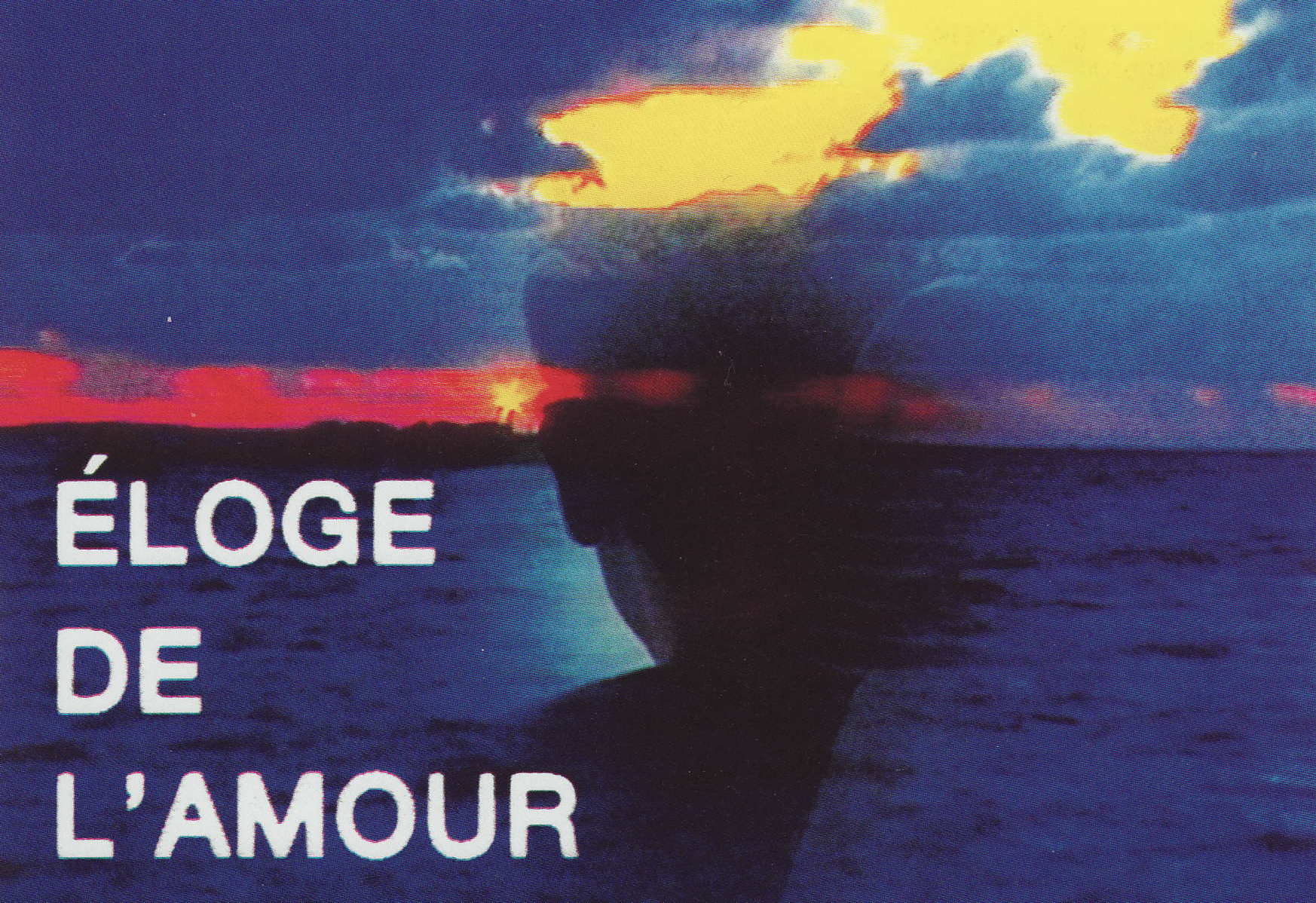
Eloge de l'amour
- 2001
- Director Jean-Luc Godard
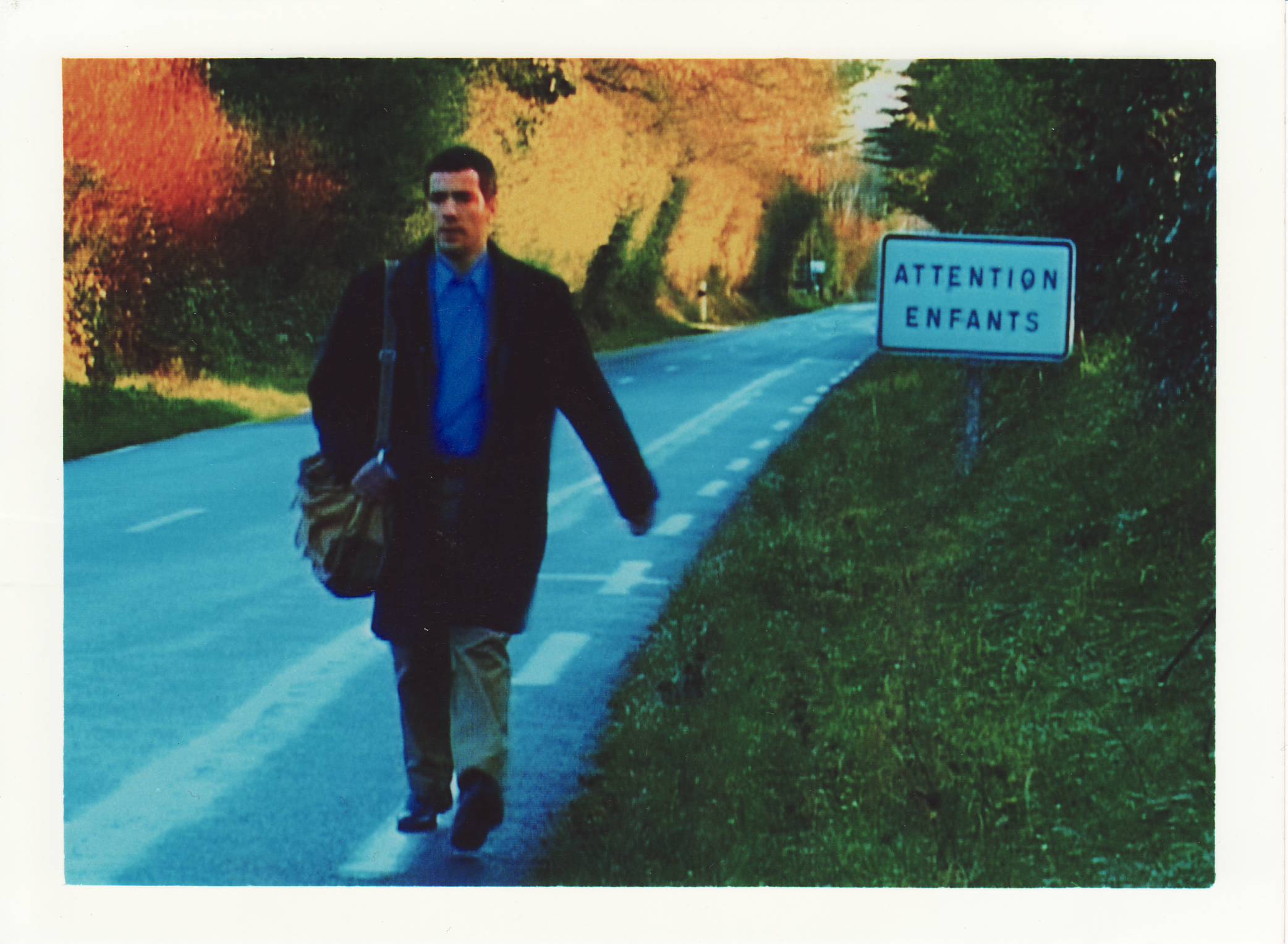
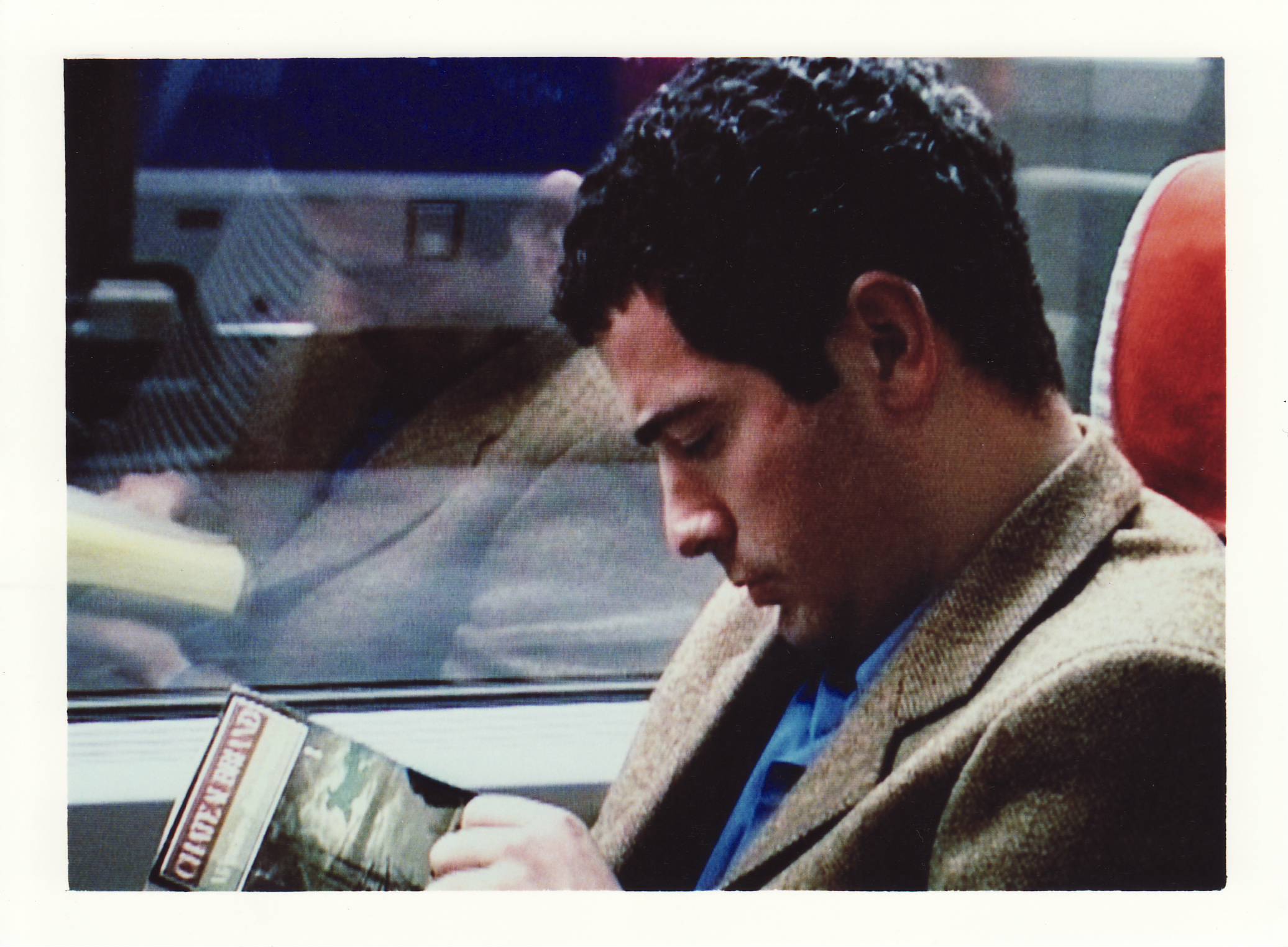
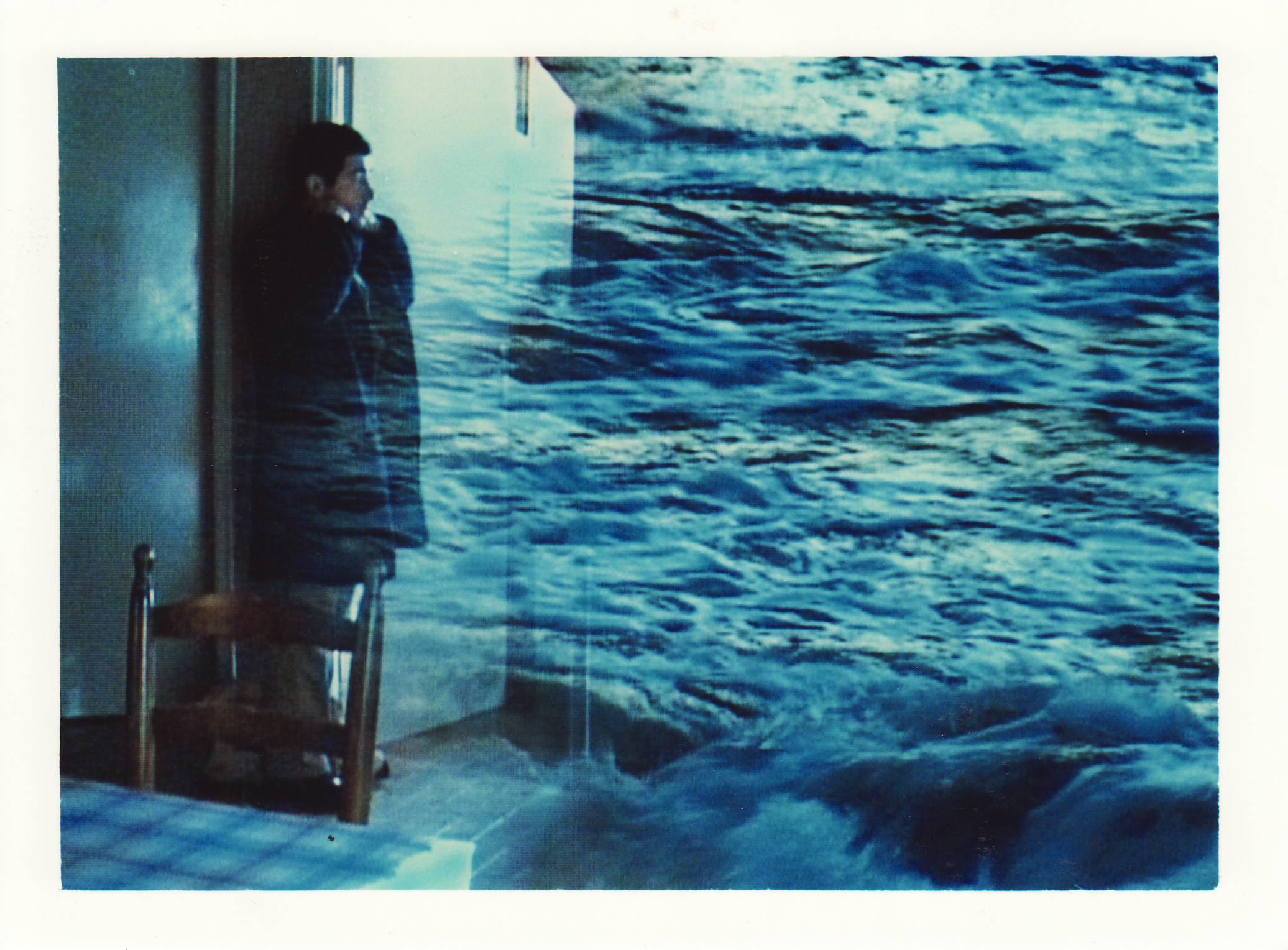
(1)Someone we hear but don't see talks of a project entitled Eloge de l'amour, which deals with the four key moments of love: the meeting, the physical passion, the quarrels and separation, the reconciliation. These moments are seen through three couples: young, adult and elderly. Is the project to be a play, a film, or even an opera? A sort of servant or assistant always accompanies the author of the project.Adults pose a real problem. Unlike old people or young people, an adult is hard to define without telling a story. The author of the project finally meets an extraordinary young woman. In fact, they had already met three years earlier when Edgar had by chance been present during a discussion between some Americans and the young woman's grandparents. When he comes to tell the young woman that his project is on, Edgar learns that she has died.(2)Two years earlier. Sent by Hollywood producers, a bureaucrat from the American Embassy in Paris meets with an old couple who had fought in the Resistance. He offers to buy the rights to their love story and their combat against the Nazi occupiers. The grandfather has asked his granddaughter, a lawyer in training, to look over the contract - she is the same young woman we met in the first part. Edgar happens to be present. He is there to interview an historian friend of the grandfather's about de Gaulle and the Free French in London. This all takes place in one night with various heated discussions. The real question in fact is to know if an American superproduction today has the right to dramatize all the great hopes that came out of the end of World War II.
more
Synopsis
(1)
Someone we hear but don't see talks of a project entitled Eloge de l'amour, which deals with the four key moments of love: the meeting, the physical passion, the quarrels and separation, the reconciliation. These moments are seen through three couples: young, adult and elderly. Is the project to be a play, a film, or even an opera? A sort of servant or assistant always accompanies the author of the project.
Adults pose a real problem. Unlike old people or young people, an adult is hard to define without telling a story. The author of the project finally meets an extraordinary young woman. In fact, they had already met three years earlier when Edgar had by chance been present during a discussion between some Americans and the young woman's grandparents. When he comes to tell the young woman that his project is on, Edgar learns that she has died.
(2)
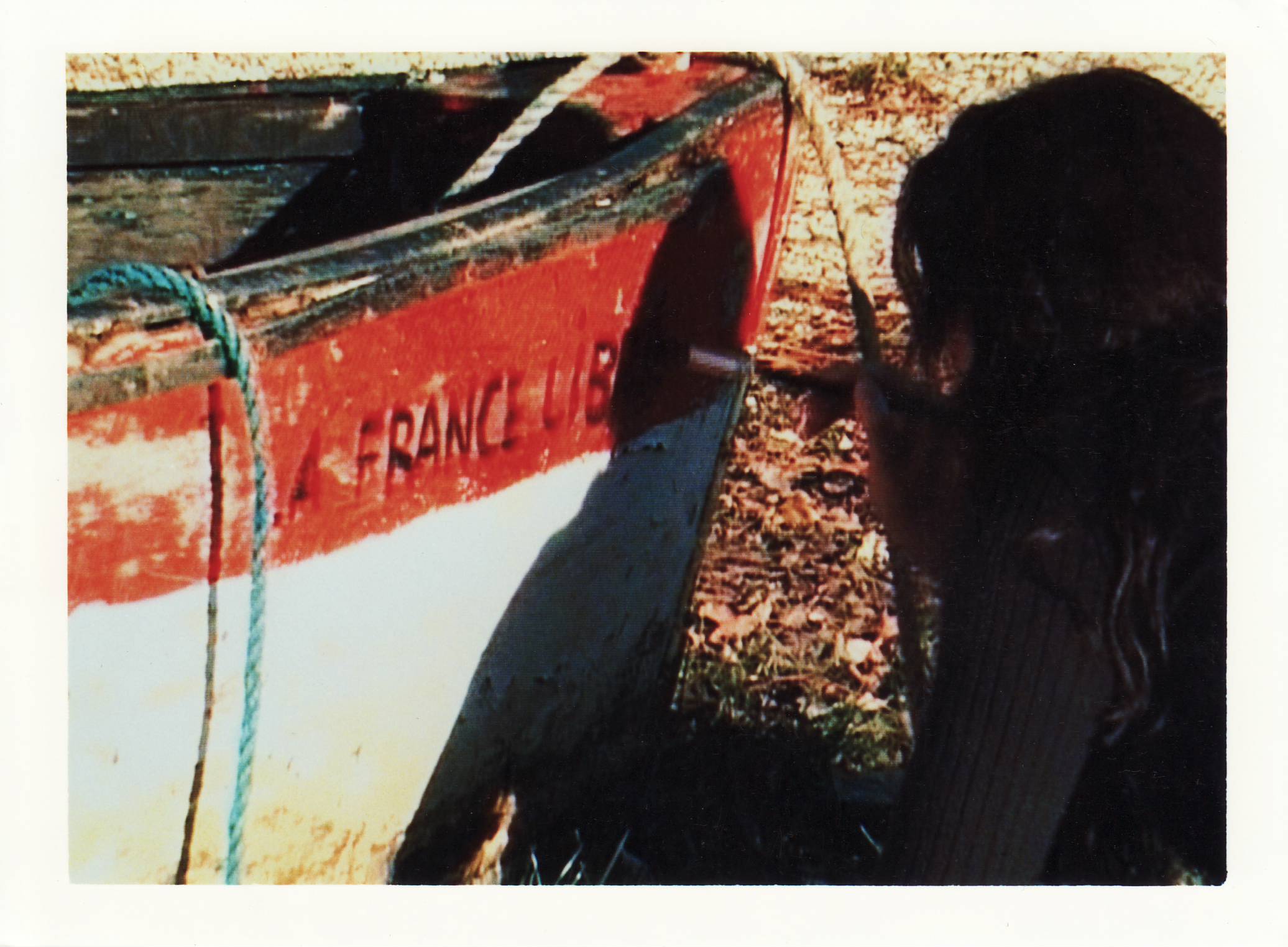
Two years earlier. Sent by Hollywood producers, a bureaucrat from the American Embassy in Paris meets with an old couple who had fought in the Resistance. He offers to buy the rights to their love story and their combat against the Nazi occupiers. The grandfather has asked his granddaughter, a lawyer in training, to look over the contract - she is the same young woman we met in the first part. Edgar happens to be present. He is there to interview an historian friend of the grandfather's about de Gaulle and the Free French in London. This all takes place in one night with various heated discussions. The real question in fact is to know if an American superproduction today has the right to dramatize all the great hopes that came out of the end of World War II.
Details
- Start
- 08.03.2002 German-speaking Switzerland
06.06.2001 French-speaking Switzerland - Duration
- 1h 37m
- Format
- 35mm, 1:1.66, Dolby SRD, Farbe/sw
- Distribution Switzerland
- VEGA Distribution AG, Zurich
- Production
- Vega Film SA, Les Films Alain Sarde (FR)
Credits
- Director
- Jean-Luc Godard
- Script
- Jean-Luc Godard
- Producer
- Ruth Waldburger, Alain Sarde
- Cast
- Bruno Putzulu, Cécile Camp, Jean Davy, Philippe Lyrette, Francoise Verny
- Photography
- Christophe PollocK, Julien Hirsch
- Editing
- Jean-Luc Godard, Raphaëlle Urtin
- Sound
- François Musy, Christian Monheim, Gabriel Hafner
- Music
- Ketil Bjornstad, David Darling, Karl Amadeus Hartmann
- Costumes
- Marina Thibaut
- Versions
- F/d; F